


BARCELONETA Free Tour
Date
07/12/2025
Documentary Film
Spain
Director
Alba Sueiro
Producer
Gonzalo Hurtado
Total Budget
€111,000
Links Material
Director contact
albamariasueiro@gmail.com
Producer Contact
ghurtadoruiz@gmail.com
Secured Budget
€ 16,000
Synopsis
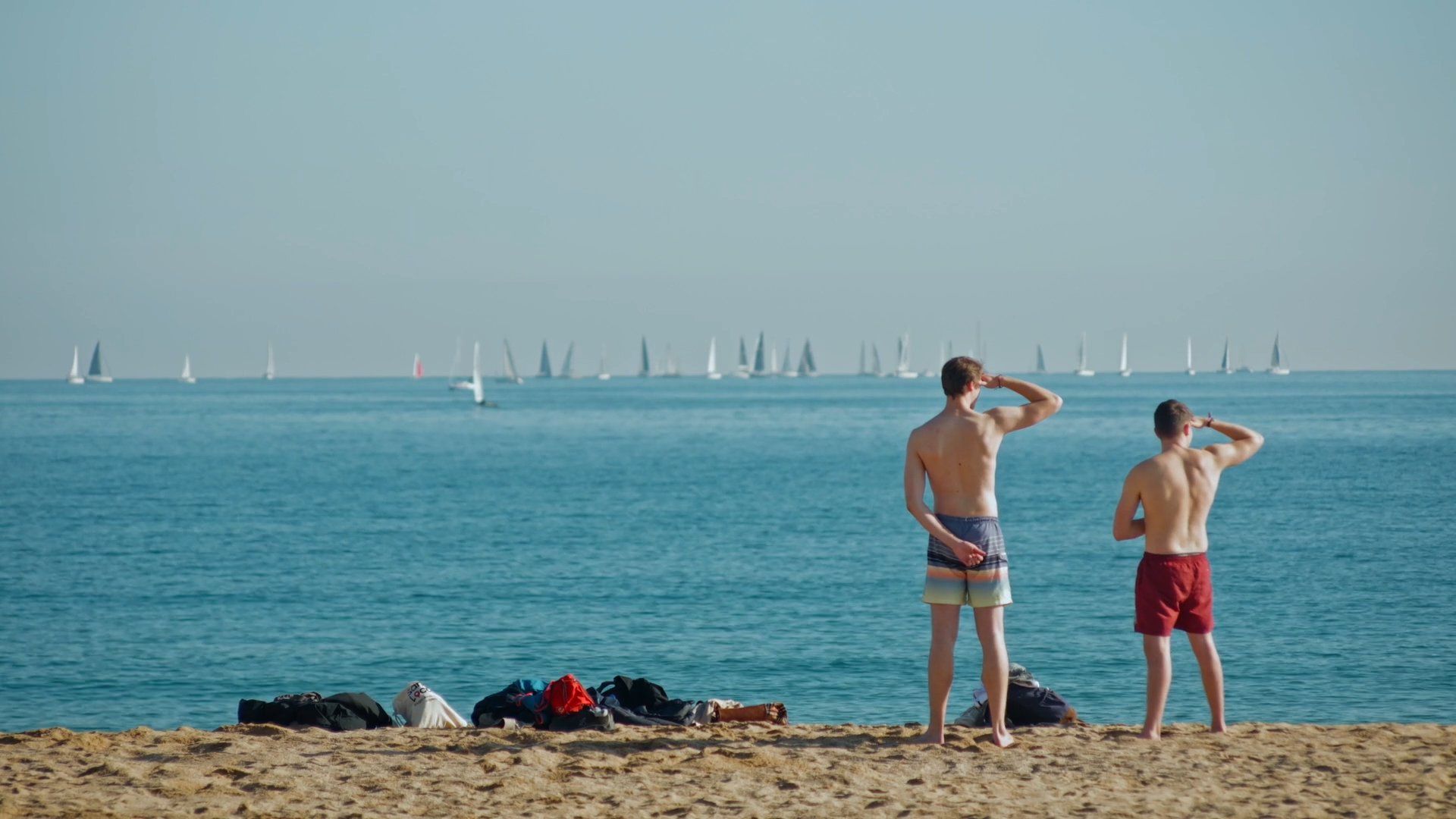
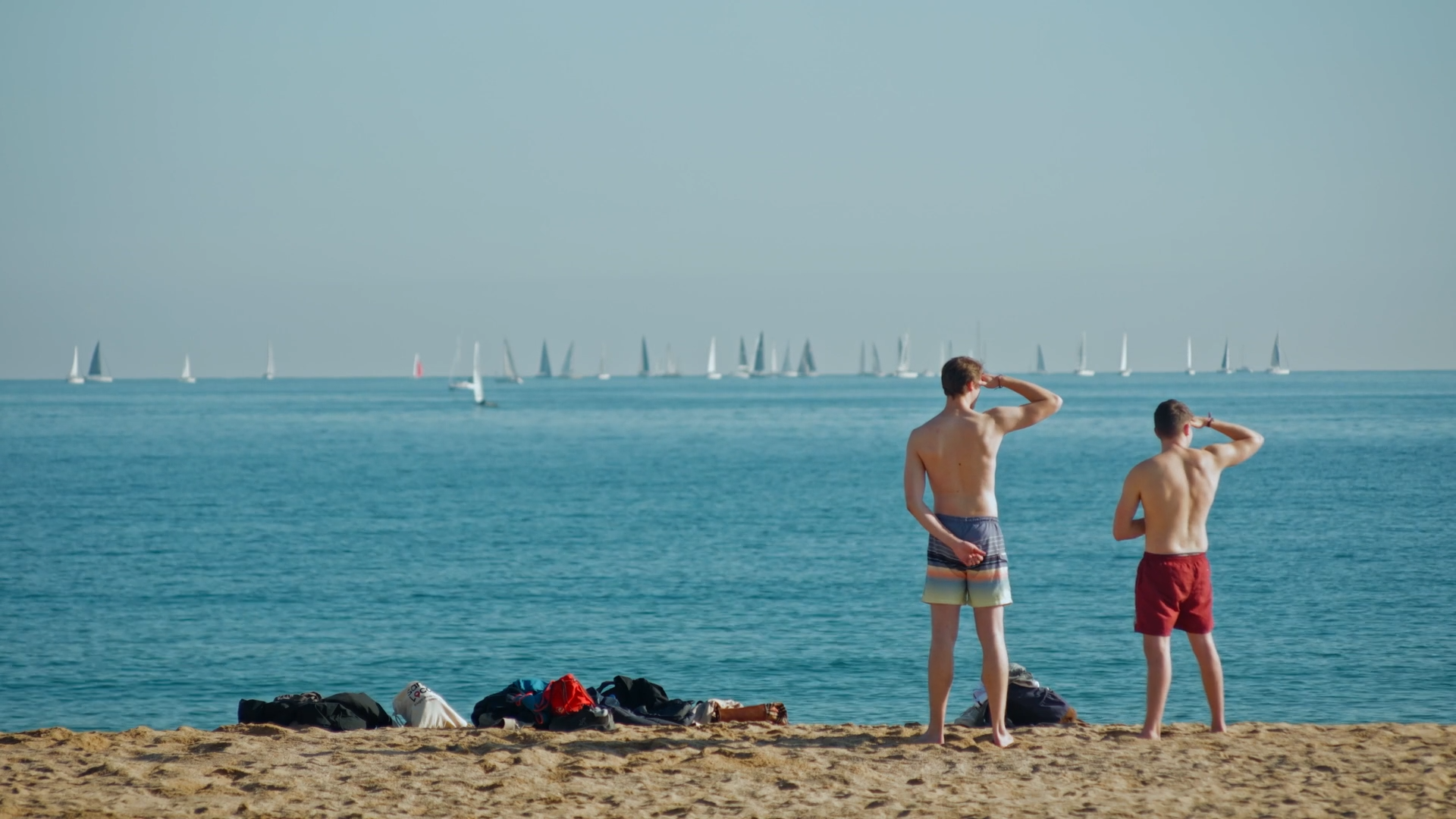
How does it feel to be a tourist in your own neighbourhood? In a city transformed by gentrification and touristification, Paco López, a retired sailor displaced from his own neighbourhood, embarks on an absurd GoCar sightseeing tour through the streets where he grew up to recover his memories—a journey to nowhere.
Along the way, Paco reconnects with neighbours and memories resisting urban development models driven by mass tourism and real estate speculation. He is accompanied by a young tour guide, an Anthropology student whose academic perspective contrasts and converses with Paco’s grumpiness.
Together, they navigate a journey that oscillates between the comedic and the melancholic, reflecting on the right to the city and the meaning of belonging. The documentary brings to life the archive Paco has compulsively collected over the years, using technology and innovative storytelling techniques to transform his memories into an immersive experience that highlights a past contrasting with the current landscape.
Barceloneta thus becomes a microcosm of a global phenomenon affecting many cities around the world.
DIRECTOR’S NOTE
I grew up in Sanxenxo, a small Galician fishing village that, over the years, was transformed into a mass tourism destination. When I moved to Barceloneta, I quickly recognized something familiar: the rhythm of the sea, the bonds between neighbors, and that sometimes tense and strange coexistence with tourism.
This film is, above all, an exercise in listening. Our goal is to make visible the stories and voices of those who have lived in the neighborhood all their lives, striking a balance between exposing gentrification and speculation without falling into simplistic blame. At times, we even feel empathy for the tourist, —also caught in structural precarity and disillusionment. That tone— somewhere between tenderness and the absurd—is what draws us in, in a spirit close to films like How to Have Sex.
Barceloneta Free Tour reflects, with humor, on structural issues such as touristification, labor precarity, rising rents, and the loss of community roots. But it also celebrates what still remains: collective memory and shared resistance.
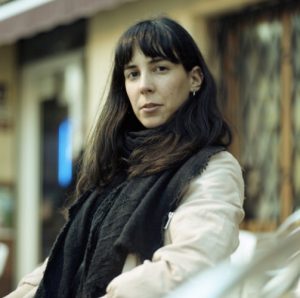 Alba Sueiro Barragáns (Sanxenxo, 1989) is a journalist and researcher specializing in communication and digital culture. Her work focuses on the impact of technology on emerging digital narratives, exploring both their contradictions and possibilities.
She holds a degree in Journalism, a Master’s in Cultural Management, and is currently a PhD candidate in Contemporary Information. Her professional practice combines academic research, audiovisual creation, and cultural mediation. She is the founder of Contracultural, a platform awarded the Creamedia Prize, dedicated to narrative experimentation and critical reflection on digital culture. Portfolio.
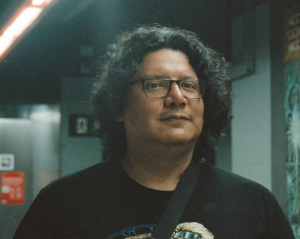
Gonzalo Hurtado Ruiz (Lima, 1980) is an audiovisual communicator, 2D animator, and content creator with over 15 years of experience in audiovisual production, editing, animation, and cultural journalism. His work explores the intersection of art, technology, and visual storytelling.
He currently leads the audiovisual content of Contracultural magazine while developing the documentary Barceloneta Free Tour.